

Should I replace my gas hot water before March 2027?

Julian, owner of Bright HelpLast checked 25 October 2026
Not if it still works. From 1 March 2027, a gas hot water system in Victoria that breaks down and can’t be repaired has to be replaced with an electric one, but nothing makes you replace a system that works.
Ours is still on gas, and we’ll keep it until it breaks, then put in a heat pump. What’s worth doing now is the plan, so that when yours fails, you know what goes in and who puts it in.
The election could change this
The Coalition has said it would scrap the rule if it wins the state election on 28 November, and then you could replace gas with gas again. What gas costs doesn’t depend on the result, so most of this page holds either way. I’ll update it once we know.
What the rule says
- It’s about the end of a system’s life. If yours can be repaired or safely maintained, it can stay on gas, rule or no rule.
- The replacement has to be electric. For most houses that means a heat pump, because a plain electric tank costs far more to run.
- Your gas heater and cooktop can stay, and you can still replace them with gas models.
- Apartment buildings with central hot water aren’t covered.
- Rentals have rules of their own from the same date, for heating as well as hot water. AusNet’s page sets them out.
What our gas costs us now
At our house the gas runs only the hot water: the heating came off gas in 2025, and the cooktop is induction. On the same plan as a year ago, the charge just to stay connected has gone up 20%, to $1.12 a day, and the gas itself has gone up 22%.
When the hot water goes electric, we can close the gas account, and that alone will save us ~$410 a year, on top of the gas we stop buying. There’s a nominal fee to close the account and cap the gas line.
If your hot water is the last thing on gas, the same goes for you. At one house in Torquay, the BBQ was the only thing on the gas, and staying connected cost them $382 a year for about $25 of gas.
Why we’re waiting
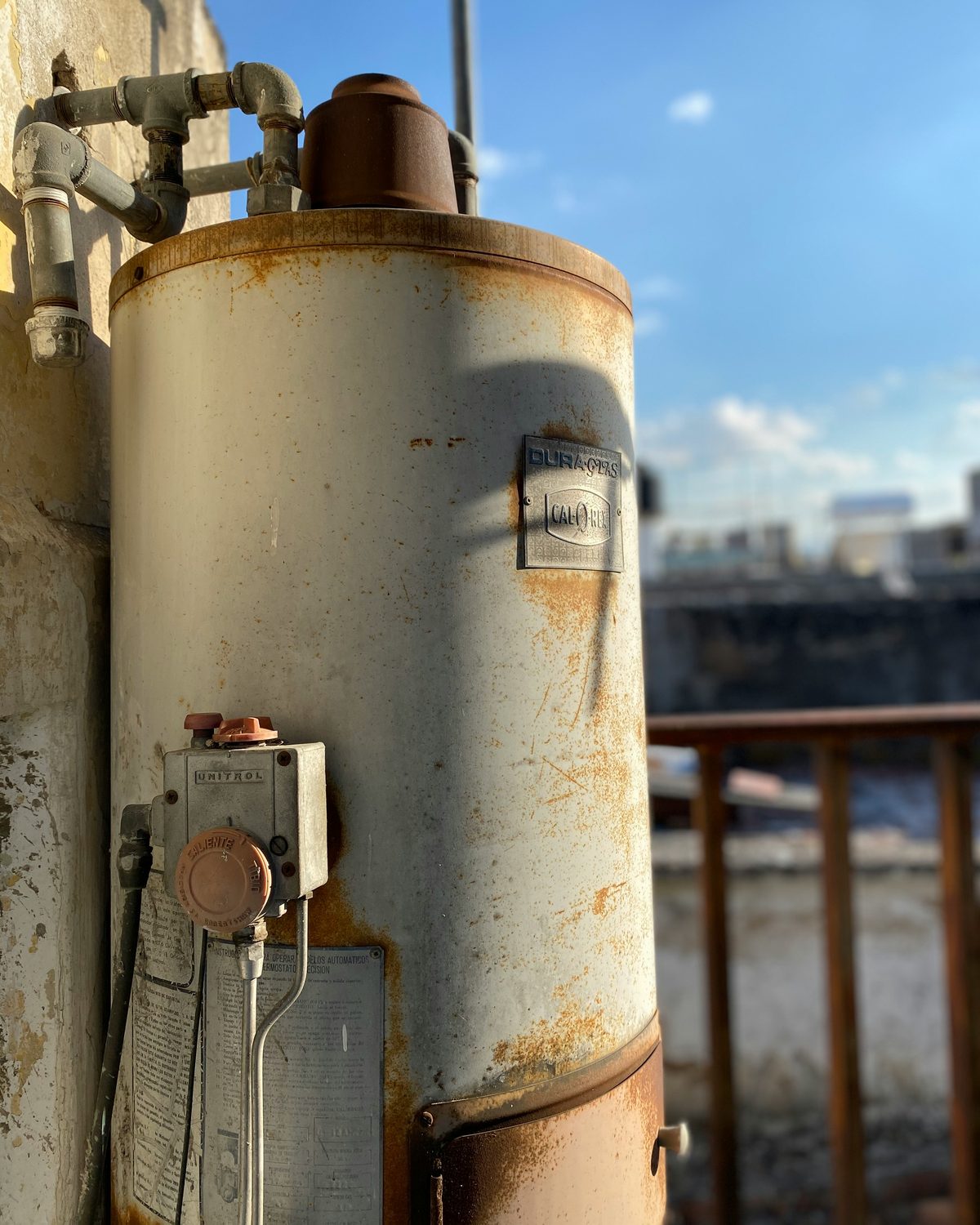
Ours is a good system and it still works. When we ran the numbers, replacing it before it fails didn’t pay yet, so we’re planning for the day it does. A good gas system can last up to 15 years, so if yours is getting close, have the plan ready now. The year it was made is usually on the label on the unit.
The signs tend to come slowly: the hot water runs out sooner than it used to, it comes out rusty, there’s water under the tank, or the repairs come closer together. A leaking tank can’t be fixed, so that one means it’s time.
What to sort out before it fails
- The size. A heat pump heats water more slowly than gas, so the tank has to hold enough for your household’s showers from one heating to the next.
- Where it goes. It hums like an air conditioner, so think about bedroom windows, yours and the neighbours’. Here on the Surf Coast, ask what protects it from salt air, and read what the warranty says about living close to the ocean.
- The power. It usually needs a new circuit from the switchboard, so check the quote includes the electrical work.
- The timer. A heat pump can run when power costs least: on your solar in the middle of the day, or in free midday hours if your plan has them. At the house with the BBQ, running the hot water at midday was worth about $200 a year to them.
- The warranty. A heat pump has a tank and a compressor, and the two are often covered for different lengths of time, so compare both.
- The rebates. They change often, so check what’s on offer when you get quotes, and whether it’s already taken off the price.
When to replace it sooner
If yours is near the end of its life, leaking or costing you in repairs, replacing it in your own time beats doing it in a hurry. You get to compare quotes and pick the right size, and the timer is set up from day one, not after a week of cold showers.
Where I come in
Before yours fails, I can work out the size, the spot and the settings for your house, and what it should save you once the gas account goes. When the quotes come in, I read them. If you’d rather not deal with installers at all, I run the whole job and check it was all done right.