

Is going all electric worth it?

Julian, owner of Bright HelpLast checked 2 November 2026
Usually, one step at a time. Going electric, or electrification, means swapping what runs on gas or petrol for things that run on electricity: the heating, the hot water, the cooktop and the car. Start with the step that pays back soonest at your house, and set each one to run when your power is cheapest or free.
Our house in Torquay is nearly there, with only the hot water still on gas. Our gas and power usage has gone from about $1,800 a year to about $300, and with an EV instead of a petrol car, we save ~$4,000 every year.
The order we went in
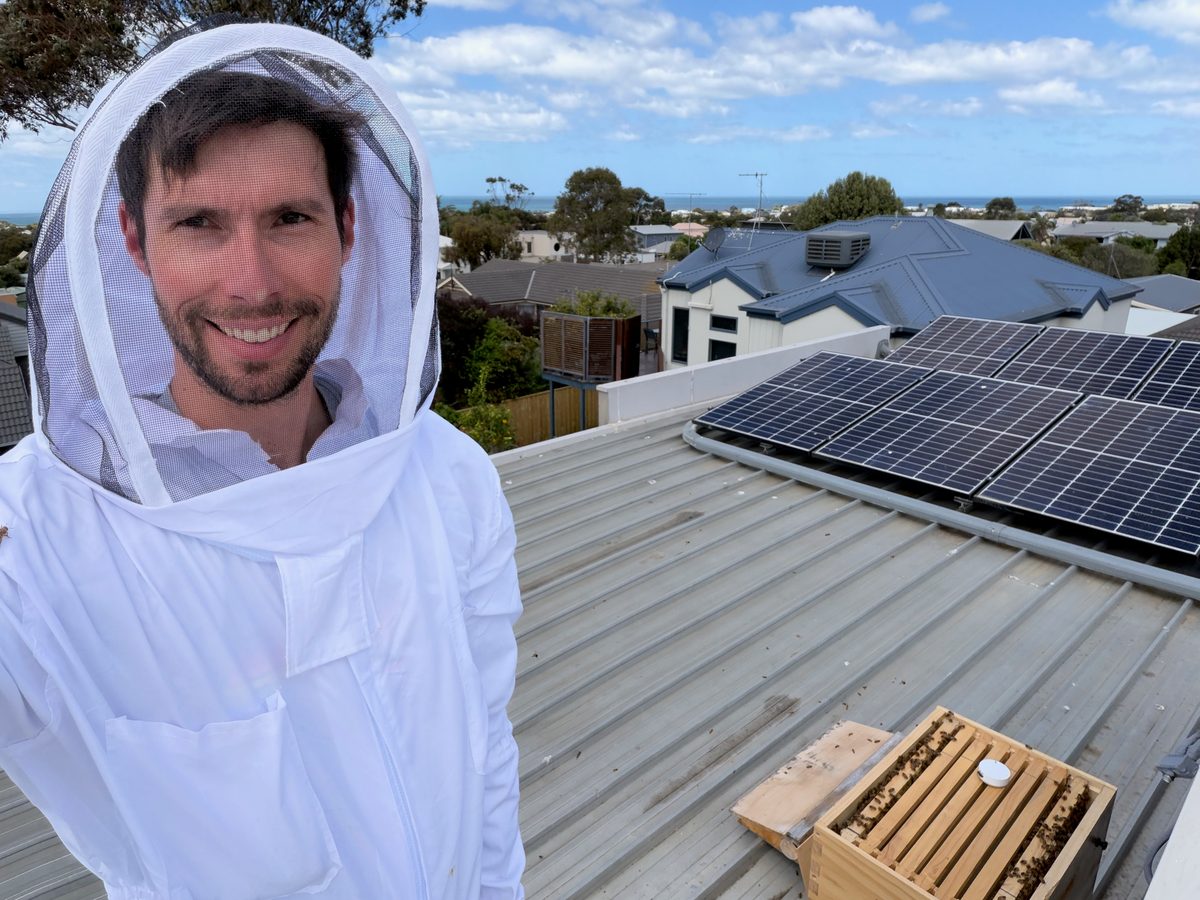
- As we bought it, in 2022. Our house came with 8 kW of solar panels on a 6 kW inverter, and an induction cooktop, so two steps were done before we moved in.
- 1. The EV, in 2022. Its smart charger is set up the right way, to fill it from solar we’d otherwise send to the grid. Against the compact SUV we’d have bought instead, it saves us about $2,500 a year in petrol, for 12,000 km of driving at $2.36 a litre.
- 2. The heating, in 2025. The ducted gas heating came out, and split systems went into all four bedrooms. They cool the house in summer too.
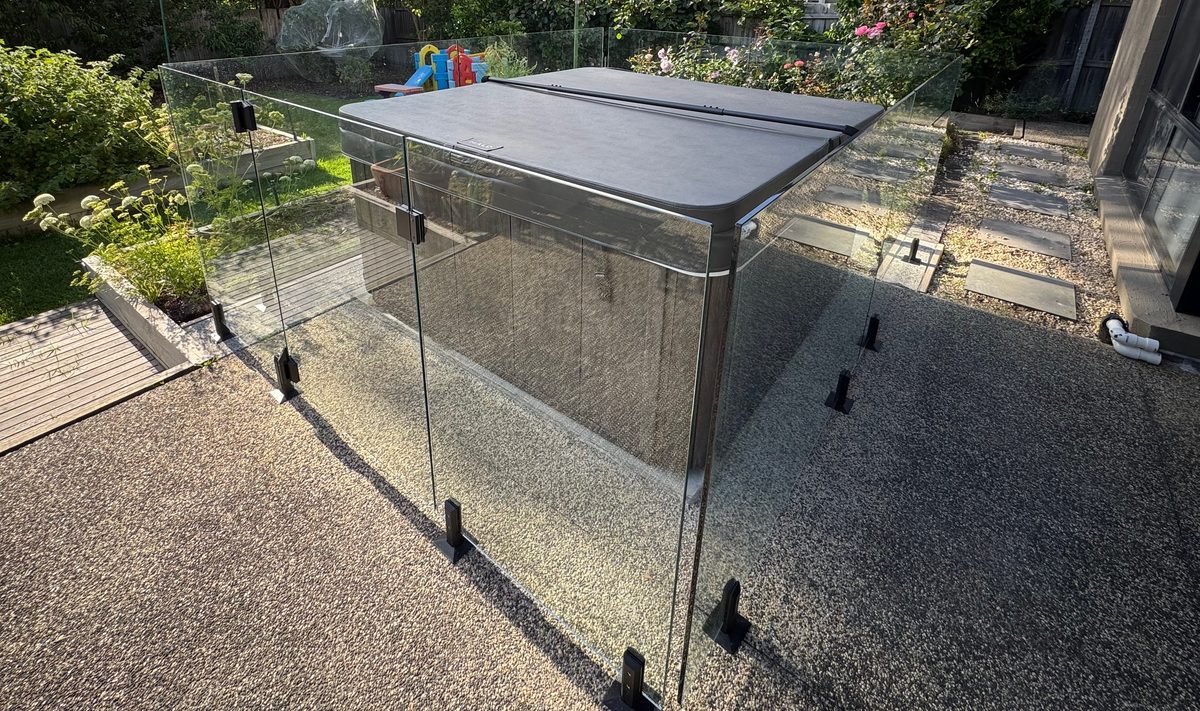
- 3. The spa. We heat it in the free hours at midday, so a plain electric heater does the job, and the insulation we added keeps it warm until the evening.
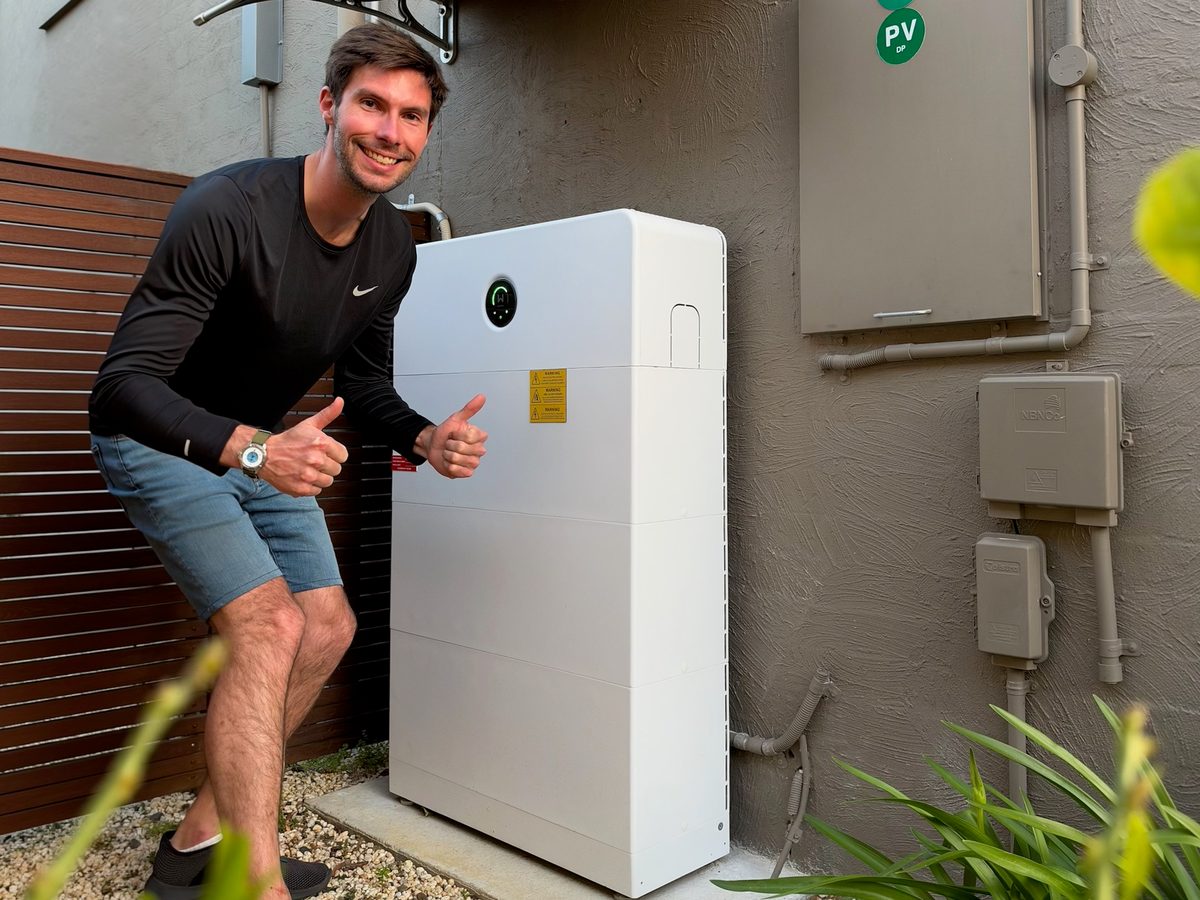
- 4. The battery, in 2026. It fills up in the free hours and runs the house through the evening and overnight. In my model, that cuts what we buy outside the free hours by at least 90%.
- 5. The hot water, when it breaks. Ours still works, so it stays until it fails. Then a heat pump goes in that heats its water hotter than most, so a smaller tank does for the five of us.



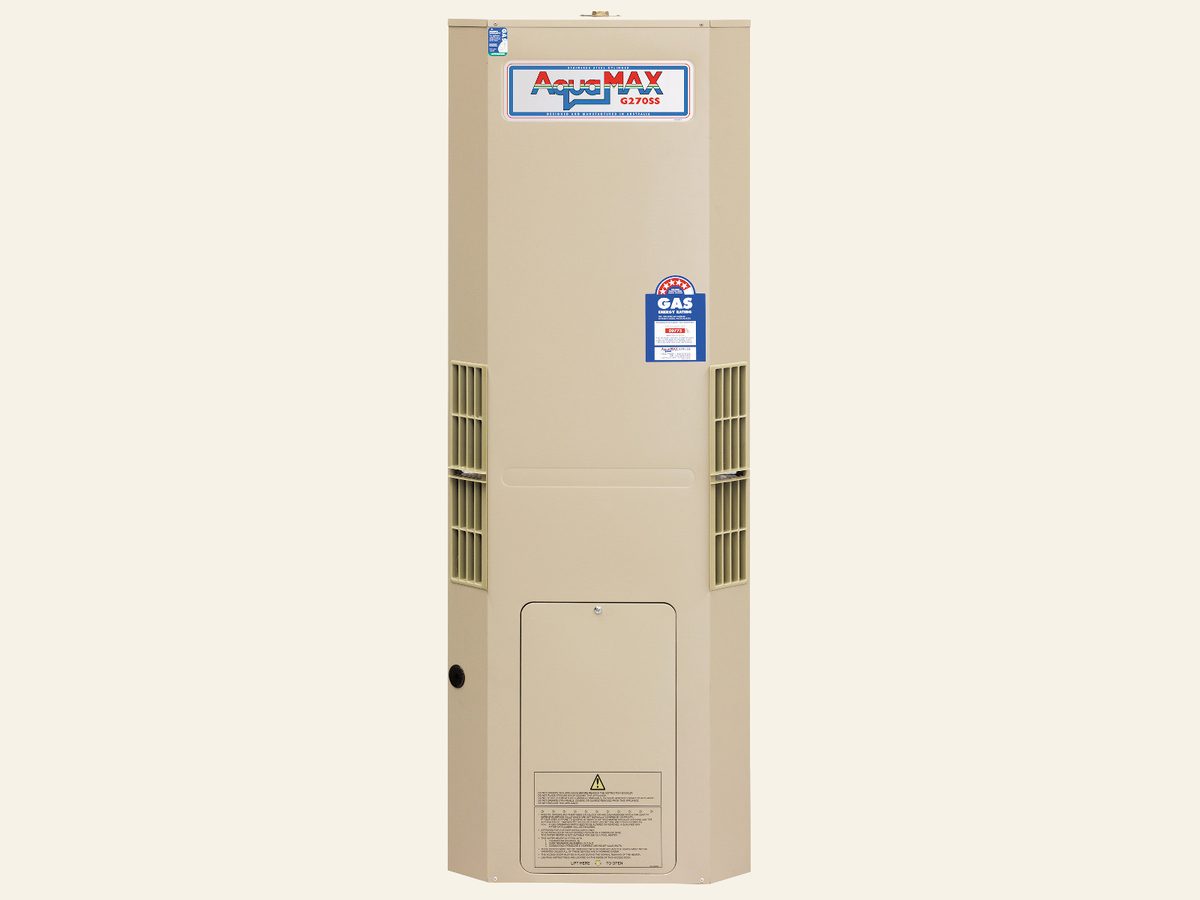
Once the hot water’s electric, we can close the gas account and stop paying its daily charge, about $410 a year. At one house in Torquay, the gas account was kept open for a BBQ, at $382 a year. We rely a lot less on fossil fuels now, which we’re pretty stoked about.
What decides the order at your house
The SEC puts the savings from going electric at around $2,000 a year, as an average across a lot of houses. Yours depends on these.
- What costs you most now. Put a winter gas bill beside a summer one: the difference is mostly heating, and the summer bill is mostly hot water and cooking. Add what you spend on petrol, and the biggest of those is often the place to start.
- What still works. If your gas heating costs a lot each winter, it can be worth replacing before it breaks. We replaced ours while it still worked. If your hot water costs less to run, it can wait until it breaks, as long as you’ve planned what replaces it. From March 2027 that has to be electric, unless the election changes the rule.
- Your solar and your plan. An EV, a spa or pool heater and a hot water heat pump can all run on your solar, or in the free midday hours of a plan that has them, which costs nothing to switch to. At our house, that’s where most of the savings come from.
- Your switchboard. An EV charger, split systems and a heat pump each usually need a circuit of their own, and an older switchboard may need work first, so check it before the first quote.
When the answer is not yet
Not every step pays at every house. At one house I looked at, a heat pump for the underfloor heating and a battery would both have cost more than they saved, so the plan starts with what costs nothing and leaves those two for later.
Where I come in
I read your bills, look at what runs on gas and how old it is, and write down the order for your house, with what each step should save you a year. When the quotes come in, I read them, and if you’d rather not deal with installers at all, I run the whole job. Nobody pays me a commission, so if the answer is to wait, I’ll say so.