

I’ve got solar, so why is my power bill still high?

Julian, owner of Bright HelpLast checked 17 October 2026
The panels are probably fine and the set-up isn’t. It’s usually the energy plan, the hours things run, or an inverter that wasn’t configured properly, and often you can’t see what the system is doing, because its monitoring was never set up.
The savings normally come from changing settings and plans, rather than from buying something new.
Why working panels can still leave a big bill
Solar saves you the most on the power you use while the sun’s up. What you don’t use goes back to the grid, and that pays very little now: about 1c a kWh on our plan. So a house that sends most of its solar away at midday and buys power back in the evening can still get a big bill, with panels that are working perfectly.
What to check yourself
I’d check four things, in this order.
- Can you see it working? Most inverters have an app or a web page that shows the solar, the house and the grid, live. It’s often there and never set up, and without it you can’t tell whether the system is working, let alone where your power goes.
- When do the big things run? The hot water, the pool heater and pump, the dishwasher, the EV. Anything on a timer that runs overnight is buying power your panels could have made for nothing at midday.
- What does your plan charge, and when? A flat rate, a high evening rate or free midday hours each change which of these matters most. Comparing plans on your own meter data takes about ten minutes.
- Is everything talking to everything else? A battery or an EV charger set up the wrong way can work against the panels. At one house, the EV charger was reading the meter the wrong way round, so the car was charging from the grid in the evening, at the highest rate, instead of from the solar panels when power is free. It was fixed on the day, and it’s worth ~$490 a year to them.
What ours shows
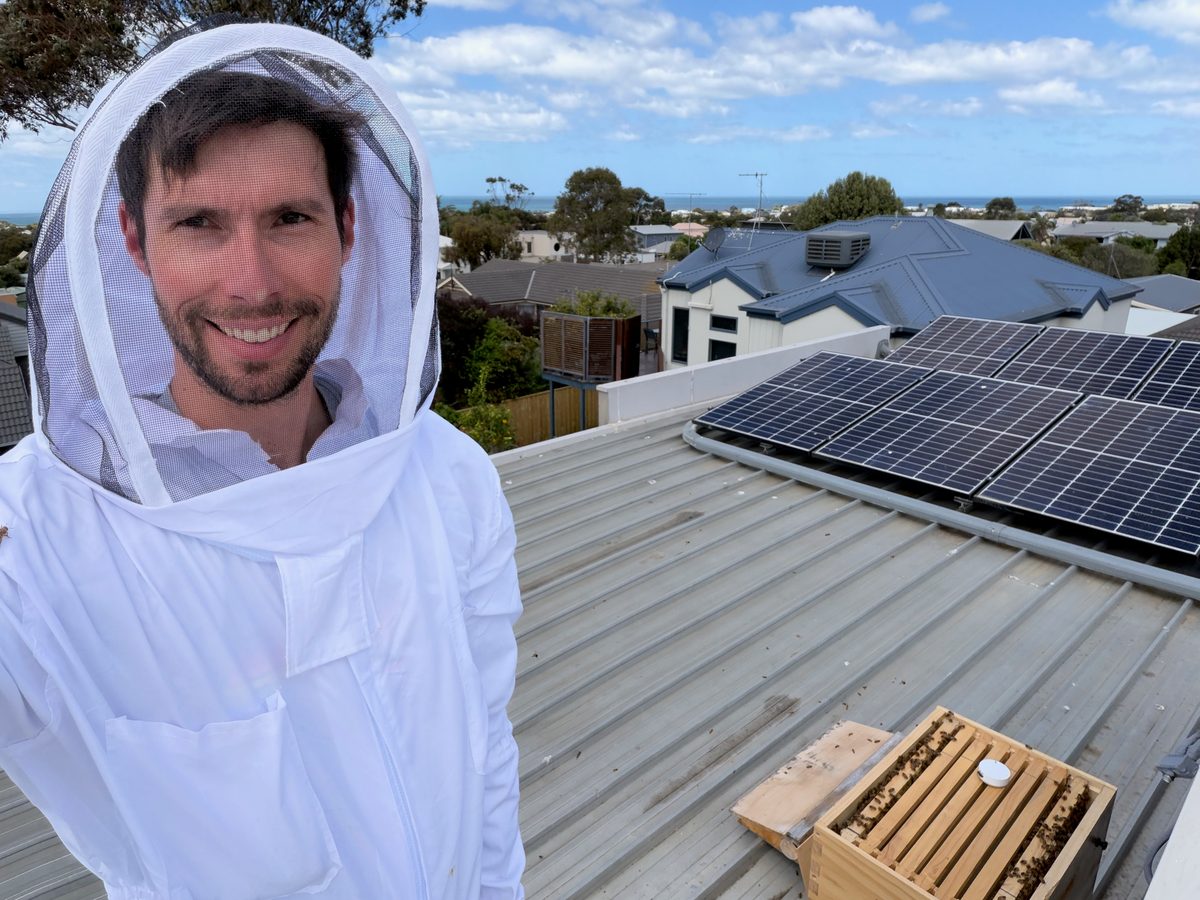
Our own battery, at home in Torquay, ran for nearly seven weeks before it was set up properly: the meter was counting some of the power from the battery as power we’d bought from the grid. Electricity was costing us between $1 and $3 a day before 23 August 2026, and between 2c and $1 a day after it, with the same panels, the same battery and the same plan.
The panels themselves rarely need anything. I cleaned ours once, out of curiosity, and it made a negligible difference to what they produced.
When it is the panels
Sometimes it is the hardware: a fault, a tree that has grown into the afternoon sun, or a system that was always too small for the house. The monitoring is how you tell, which is why it’s the first thing I set up.
Where I come in
I read your bills before I visit. At the house, I go through the inverter’s settings, the timers and the plan as an engineer would: as one system, against how your house actually uses power. If the monitoring isn’t set up, we set it up, so you can see for yourself from then on whether it’s working. In the plan I write you, the changes that cost nothing come first.
The $649 consult also has me help you switch to the best plan while I’m there, and look at your bills again a year later to see whether the savings landed.